


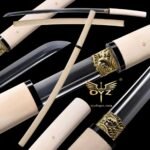


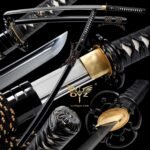
Handmade Japanese Shinken Katana Clay Tempered T-10 Blade Shirasaya Sword
$399.99


You may also like…

Related products
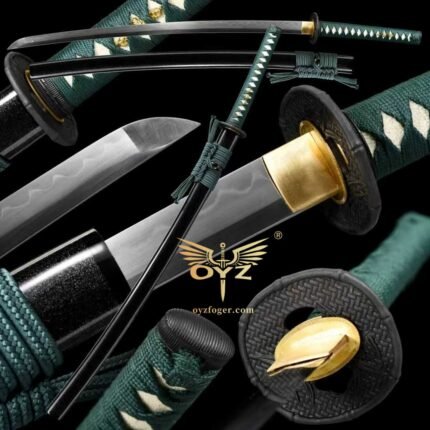


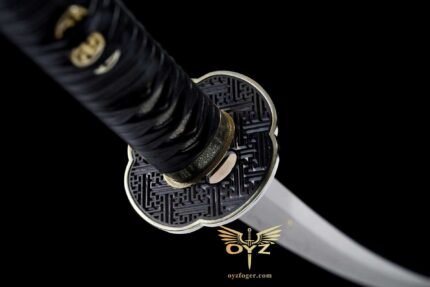


Handmade Japanese Shinken Katana Clay Tempered L6 Blade Shirasaya Sword
Blade
– The blade of the sword has been hand forged using the ancient method of sword making . full hand forged and full hand polished.
-The blade was made of L6 steel, and it has been laminated in a Maru configuration(Single type mono steel). differential hardened and clay tempered, water quenched and polished.
-This blade has been tried and tested to cut everything that gets in its way. The Sori (Blade curvature) is specially crafted to create leverage in order to perform the smoothest and cleanest cuts. That in combination with the choice of traditional and our top selling Koshirae (fittings), assures that you will get the best of both appearance and functionality. the blade with full handmade shinken bohi(groove)
-The Saguha hamon pattern is done in the same process as the traditional method. Harden the edge is by using the special clay wrapping the blade then put in water to quench. It requires a lot of skills. The fire temperature can not be too high or too low it needs to be well controlled by the sword smith. The blade is then put into oil for quenching. The blade shape is done this process creates beautiful hamon hada on the blade surface. clay to protect the edge and quenched in water to temper the mune or spine of the sword. The hardness of the Carbon Steel measures at an impressive HRC on the Rockwell Scale. The perfect combination of the hardness of the edge steel, and the increased Sori (curvature of the blade), enables this high quality blade to easily cut through tatami straw mats or bamboo for Tameshigiri.
-This blade comes with a full length Tang which greatly enhances the strength of the sword. The tip of the blade is a shaped subozukuri kissaaki; it was well defined with the hamon going all the way through the Boshi
-shirasaya: The saya and handle made of white wooden Finished with Buffalo horn finished.
| 刃長 Blade Length | 刃長 (Nagasa) | 约 71 cm/28.0 |
| 柄長 Handle Length | 柄長 (Tsuka) | 约 27 cm |
| 元幅 Width at Base | 元幅 (Motohaba) | 约 32 mm |
| 元重 Thickness at Base | 元重 (Motokasane) | 约 6 mm |
| 先幅 Width at Tip | 先幅 (Sakihaba) | 约 24 mm |
| 先重 Thickness at Tip | 先重 (Sakikasane) | 约 4 mm |
| 切先長Kissaki Length | 中先長(Kissaki Length) | 约 35mm |
| 目釘穴 Mekugi-ana (Peg Hole) | 目釘穴 | 2 个 |
| 项目 (Item) | 日文 (Japanese) | 说明 (Description) |
|---|---|---|
| 形状 Shape | 鎬造 (Shinogi-zukuri) | 带脊刃形(ridged blade) |
| 栋 Mune | 庵棟 (Iori-mune) | 平脊(flat ridged spine) |
| 切先 Kissaki | 中切先 (chu-kissaki) | 大型刀尖(Medium-sized tip) |
| 项目 (Item) | 数值 (Value) |
|---|---|
| 刃重 Blade Weight | 约 0.45 kg |
| 刀重(不含鞘)Sword Weight (without Saya) | 约 0.85 kg |
| 总重 Total Weight | 约 1.05 kg |
| 全长 Overall Length | 约 100 cm |
Keep the blade dry and wiped: after handling, clean the steel with a soft cloth and apply a thin film of choji oil before returning it to the saya. Avoid touching the polished surface with bare fingers, and never store the sword in a damp place or in its saya for long periods without oil.
The saya and tsuka are natural materials - lacquer and silk. Keep them away from direct heat, prolonged sunlight and sharp impacts. A light wax on the lacquer keeps the finish even; the ito wrap should not be soaked or scrubbed.
Reviews
There are no reviews yet.